

Entering the world of live casino gaming can resemble stepping onto a film set. The lights are bright, the cameras are rolling, and every table hums with an energy that standard digital games just cannot replicate. I think back to my first encounter with a live studio environment vividly; I was genuinely surprised by the level of sophistication underlying what seemed like a simple video feed. The combination of physical roulette wheels, real card decks, and high-end streaming technology creates an experience that spans the gap between a land-based casino in Barcelona and the comfort of your sofa. At Spinline Casino bono de tragamonedas, we have assembled a selection of these studios to ensure that players across Spain get that genuine, transparent thrill without a flight to a physical resort. Comprehending how these studios operate transforms you from a passive observer into an informed player who understands the mechanics of the game.
The Breakdown of a Professional Live Studio
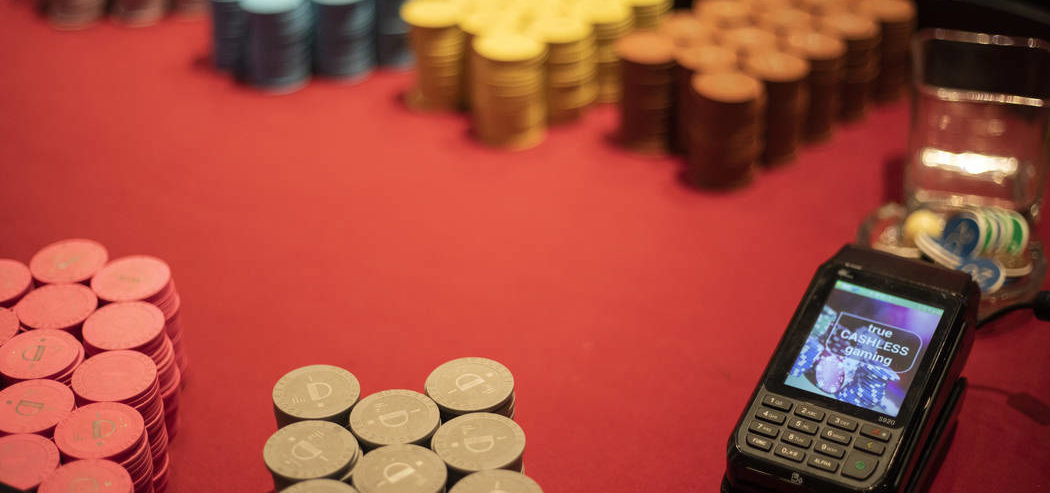
When you log into a live session, you are not just looking at a dealer in a random room; you are observing a meticulously engineered broadcast environment. The physical space is usually a custom-built soundstage designed to regulate lighting, acoustics, and connectivity with absolute precision. High-definition cameras are installed on robotic arms and overhead rigs, filming every angle of the table without obstructing the dealer’s movements. The lighting is tuned to remove shadows on the cards while producing a warm, inviting atmosphere that looks crisp on a mobile screen. I have recognized that the best studios also incorporate subtle branding elements into the background, often reflecting a sophisticated lounge aesthetic that appeals to the Spanish elespanol.com market’s appreciation for style. Beyond aesthetics, the table itself is equipped with RFID sensors and optical character recognition technology that instantly converts physical actions into digital data, securing the interface on your screen updates in perfect sync with reality.
The Role of the Game Presenter
The one standing at the head of the table is far more than just a card dealer; they are a trained broadcast professional. In the studios powering Spinline Casino, these presenters undergo rigorous training in game mechanics, camera awareness, and microphone technique. They must handle the tempo of the game while engaging with an invisible audience of players typing in a chat box. I find it fascinating how a skilled presenter can maintain a natural conversation, react to big wins, and strictly adhere to the procedural rules of the game simultaneously. They act as the human bridge between the cold mathematics of the game and the emotional excitement of the player. In Spain, where social interaction is a treasured part of gambling culture, a charismatic presenter who speaks the language fluently can turn a simple hand of blackjack into a memorable social event, making you feel like you are sitting at a bar counter rather than staring at a screen.
In the Background Technology
Hidden from the camera’s view is a complex network of monitors, audio mixers, and a dedicated pit boss who oversees the integrity of every hand. The shuffling machines employed in these studios are automated marvels of engineering that shuffle cards in a way no human hand can replicate, eliminating any doubt about deck manipulation. Optical Character Recognition (OCR) is the unsung hero here; the moment a card is drawn, a sensor reads the rank and suit and translates it into the animated overlay you see on your digital screen. This means even if your internet connection hesitates, the outcome is recorded and displayed accurately. The streaming technology uses low-latency protocols to make sure that what you see is happening in real-time, which is vital for the fast-paced nature of games like Lightning Roulette. This invisible layer of tech is what permits a studio based in Riga or Malta to seem like it is operating right next door to a tapas bar in Madrid.
Famous Live Game Variants You Will Come Across
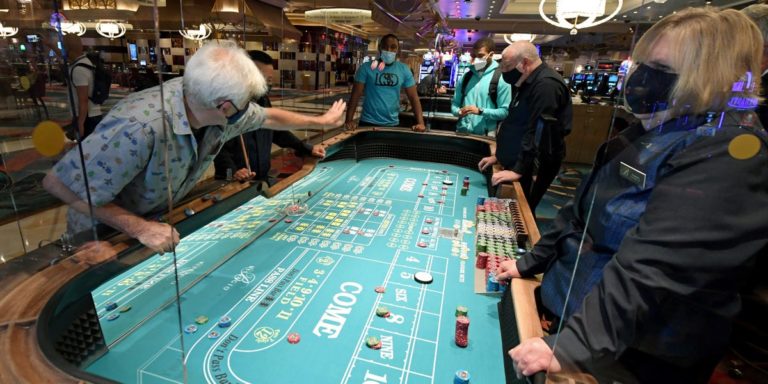
The variety within a modern live casino studio extends far past the traditional green-felt table. While traditional games stay the backbone, creativity has transformed these studios into game show arenas. The standard setup commonly involves a close-up shot of a roulette wheel or a blackjack table with several seats, allowing you to choose your spot. The actual evolution, though, lies in the hybrid formats where tangible elements combine with augmented reality graphics. Money wheels, for instance, feature a massive vertical spinning wheel managed by the host, while your screen illuminates with multipliers that are digitally superimposed. I notably enjoy the dice-based games where massive, mechanically shaken dice decide outcomes, and the studio erupts in a spectacle of light. These formats are crafted to attract players who could find standard table games daunting. The studios are frequently modular, signifying the same space may be converted from a baccarat pit into a vibrant game show floor within hours, maintaining the content new for frequent visitors.
Roulette Wheel and Card Tables
The iconic roulette studio is a masterclass in hypnotic precision. The wheel is the clear star, framed by cameras that provide wide shots and extreme close-ups of the ball rattling into a pocket. In many studios serving the Spanish market, you will find native-speaking tables where the dealer calls the game in Spanish, adding a level of comfort and clarity when placing complex announced bets. The card tables, specifically blackjack and baccarat, run on a a bit different rhythm. Here, the focus is on the texture of the cards and the ritualistic dealing process. I always advise newcomers to watch the squeeze games, where the dealer slowly shows the card’s value, building a drama that no computer-generated animation can match. The studio design makes sure that the shoe and the discard tray are always within the camera’s eye line, reinforcing the transparency of the game. The sound design is also critical here; the crisp snap of a card being flipped is a vital part of the sensory experience.
Game Show Experiences Experiences
Game show studios are where the production quality goes off the scale. These are not subdued, reserved spaces but boisterous, dynamic environments with flashing lights, intense music, and charismatic hosts stationed on bespoke stages. The camera work moves from stationary tripods to sweeping crane shots and whip pans that mimic prime-time television. In these games, the physical component is often a giant wheel or a coin-toss mechanism, but the real magic takes place in the augmented reality layer that only the home viewer can see. Multipliers hover over the host’s head, and bonus rounds activate virtual animations that connect with the physical set. For a Spanish audience that is raised with colorful television game shows, this format seems instantly familiar and engaging. The communal aspect is heightened here, as you are often playing alongside numerous of others, with leaderboards and collective win celebrations fostering a sense of common fate that is rare in solo digital gaming.
Selecting the Proper Live Table to Suit You
Choosing a table is not just about finding the game with the lowest minimum bet; it is about matching the energy of the studio to your personal mood. I always review the dealer’s profile and the language icon first. If you are gambling from Spain and prefer to communicate in your native tongue, filtering for Spanish-speaking tables instantly renders the experience more immersive and lessens the chance of miscommunication. Next, consider the pace of the game. Some studios are designed for high-rollers and function with a brisk, silent efficiency where hands are dealt rapidly. Others are more social, with the dealer actively fostering chat interaction and taking their time to explain side bets. The visual theme of the studio also counts. A darker, more dramatic studio might work for a late-night session, while a bright, minimalist studio with a view of a virtual garden can be ideal for a relaxed afternoon. Pay attention to the video stream quality indicator; a stable, high-bitrate stream is vital for enjoying the nuances of the live environment.
The Importance of Studio Certification and Fairness
One of the most reassuring aspects of a regulated live studio is the visible presence of licensing and fairness certifications. Unlike a physical casino where you might wonder if the deck is stacked, a live studio operates under continuous monitoring not just from the house, but from third-party regulatory bodies. The cameras are not just for the broadcast; they are a security measure. Every hand of cards, every spin of the wheel, is logged and often accessible for inspection. In the context of the Spanish market, studios that cater to Spinline Casino adhere to rigorous standards set by recognized gaming authorities. You will often see a seal or a reference to the licensing body on the table itself or in the game’s information menu. This transparency is the cornerstone of the live experience. Knowing that the shuffling machines are tested for true randomness and that the roulette wheels are regularly balanced to prevent bias lets you to focus solely on the strategy and the thrill of the moment.
The journey from a curious observer to a confident live casino player is all about understanding the intricate dance between human skill and technological precision. The modern live studio is a place where broadcast entertainment meets rigorous game integrity, creating a transparent and deeply social atmosphere that static online games simply cannot match. You might be drawn to the ritual of a Spanish-speaking blackjack table or the high-octane chaos of a game show set. Either way, the studio is your window to a world that operates with mechanical precision. By understanding the roles of the presenters, the hidden tech, and the design of the space, you equip yourself with the knowledge to choose tables that suit your style and pace, transforming every session into a genuinely engaging event.